What is Melasma?
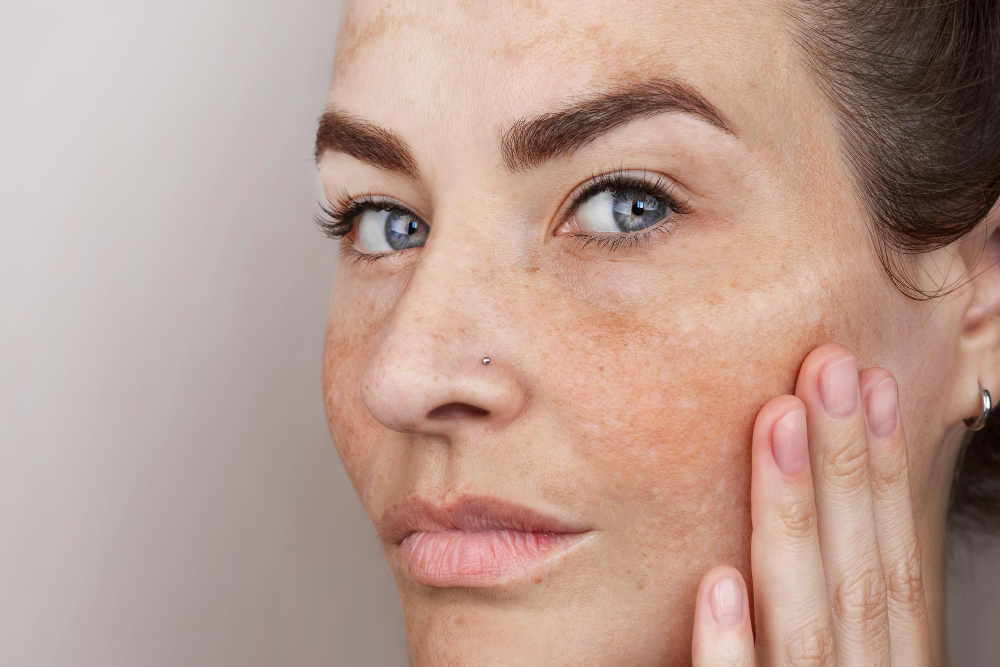
Melasma is a common skin condition. It causes brown or gray-brown patches on the face. Most often, these patches appear on the cheeks, forehead, nose, or upper lip. Many people notice melasma during sunny months. While it is not harmful, it can affect confidence. Both men and women can get melasma, but it is more common in women. According to the American Academy of Dermatology, melasma affects millions worldwide. Understanding melasma helps you recognize its signs and seek the right care.
Common Symptoms of Melasma
Melasma symptoms are easy to spot. However, they may look like other skin problems. Here are the main signs:
For many, these patches develop slowly. But, they may get darker with sun exposure. If you notice new or changing spots, it is wise to check with a doctor.
Causes and Risk Factors
Melasma develops when skin cells make too much pigment. This pigment gives skin its color. Several factors can trigger melasma. For example, sunlight is a major cause. Ultraviolet (UV) rays can make melasma worse. In addition, hormones play a big role. Pregnancy, birth control pills, or hormone therapy can trigger melasma. Some people are more likely to get melasma due to their skin type or family history. Here are common risk factors:
Because many things can cause melasma, it is important to know your own risk factors. This helps you take steps to prevent it.
How Melasma is Diagnosed
Doctors can often diagnose melasma by looking at your skin. However, sometimes they use special lights to see the patches better. For example, a Wood’s lamp helps show how deep the pigment is. Rarely, a skin biopsy may be needed to rule out other conditions. If you are unsure about your skin changes, a dermatologist can help. Early melasma diagnosis leads to better results. Always share your medical history and any new medicines with your doctor.
Treatment Options for Melasma
Melasma treatment options depend on how severe the patches are. Some people see improvement with simple changes. Others may need prescription creams or procedures. Here are common melasma treatment options:
It is important to use sunscreen every day. Sun protection helps prevent melasma from getting worse. Sometimes, melasma fades on its own, especially after pregnancy. However, it can return if triggers are not avoided. Always follow your doctor’s advice for safe and effective melasma treatment options.
Lifestyle Tips and Prevention
While melasma can be hard to prevent, some steps lower your risk. For example, daily sun protection is key. Here are simple tips on how to prevent melasma:
In sunny locations, extra care is needed. For example, use protective clothing and seek shade often. These steps help keep your skin healthy and reduce melasma risk.
When to See a Dermatologist
Sometimes, melasma does not improve with home care. If your patches get darker or spread, see a dermatologist. Also, if you feel worried about your skin, a doctor can help. Dermatologists offer expert advice and advanced treatments. Early care leads to better results. Remember, some skin conditions look like melasma but need different care. Therefore, getting a proper diagnosis is important.
Melasma is common but manageable with the right skincare approach and expert guidance. Consult Dev Children and Skin Clinic for personalized dermatologist advice and suitable treatment options to help improve and protect your skin health.