
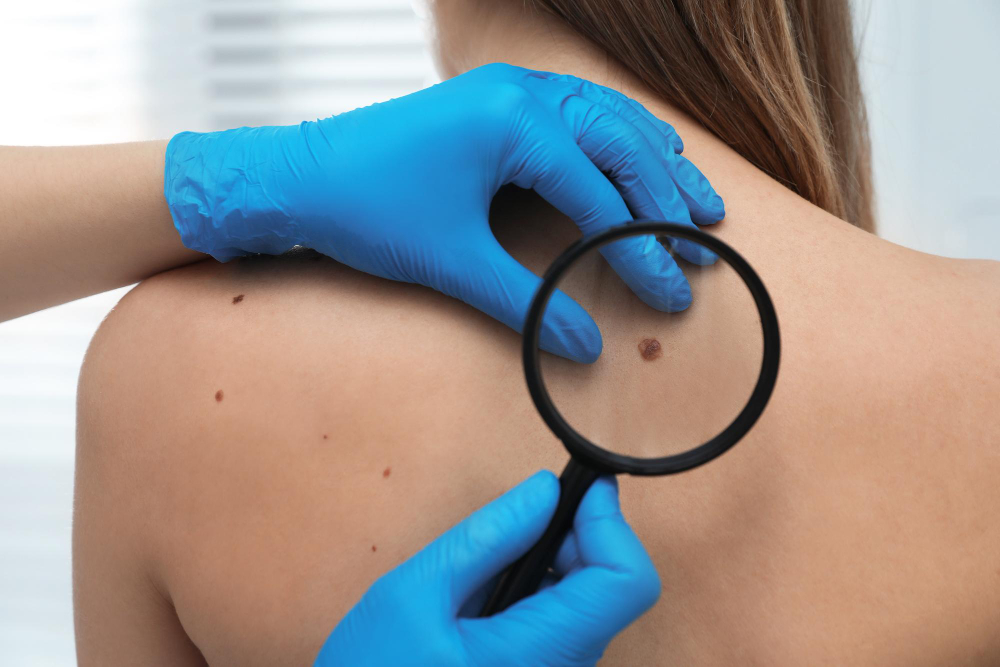
What Are Skin Tags?
Skin tags are small, soft growths that often appear on the skin. Usually, they are harmless and not painful. However, many people want to remove them for comfort or appearance. According to the World Health Organization, skin tags are very common, especially in adults. They can show up almost anywhere, but they often form in places where skin rubs together.
Common Symptoms and Appearance
Usually, skin tags look like tiny, flesh-colored bumps. Sometimes, they may be slightly darker than your skin. For example, you might notice them on your neck, underarms, eyelids, or groin. In most cases, they:
But, if a skin tag changes color, bleeds, or grows quickly, you should pay attention. These changes can mean you need a closer look from a doctor.
Causes and Risk Factors
Although doctors are not sure why skin tags form, some factors make them more likely. For instance, skin tags often develop in people who:
Because skin tags form where skin rubs together, friction is a common cause. In addition, some people may notice more skin tags as they age.
When Is Skin Tag Removal Simple?
In many cases, removing skin tags is simple and safe. For example, if the skin tag is small, soft, and not causing pain, removal can be quick. Many people choose to remove skin tags for cosmetic reasons. However, it is important to know how to remove skin tags safely. The American Academy of Dermatology suggests that small, harmless skin tags can be removed in a doctor’s office with little risk. Sometimes, a doctor may use a small blade, freeze the tag, or burn it off. These methods are quick and usually do not leave scars.
When Should You Seek Medical Evaluation?
Sometimes, you should see a dermatologist before removing a skin tag. For instance, if the skin tag:
Because some skin growths can look like skin tags but are not, it is best to get a doctor’s opinion. In addition, if you have many skin tags, it may be a sign of another health issue, such as diabetes. Therefore, a medical check can help rule out other problems.
Diagnosis: How Doctors Assess Skin Tags
Usually, doctors can diagnose skin tags just by looking at them. However, if a growth looks unusual, your doctor may do a small biopsy. This means they remove a tiny piece for testing. According to the CDC, this helps make sure the growth is not something more serious, like skin cancer. Most of the time, though, no tests are needed. Your doctor will check the size, color, and shape to confirm it is a skin tag.
Safe Removal Methods
There are several safe ways to remove skin tags. For example, dermatologists may use:
Because these methods are done by trained professionals, the risks are low. At-home removal kits are available, but experts warn against using them without guidance. In fact, the American Academy of Dermatology advises seeing a doctor for removal, especially if you have health conditions or the tag is in a tricky spot. That way, you can avoid infection and scarring.
Risks and Complications of Removal
Although most skin tag removals are safe, there are some risks. For instance, you may experience:
Because of these risks, it is important to know the signs of infection, such as redness, pus, or fever. If you notice these signs, contact your doctor right away. In addition, removing skin tags at home can increase the risk of problems. Therefore, experts recommend professional removal, especially for people with diabetes or poor healing.
Prevention and Skin Care Tips
While you cannot always prevent skin tags, some habits may lower your risk. For example, you can:
Because skin tags are common, especially as people age, regular skin care is important. If you notice changes or have concerns, consult a dermatologist at Dev children’s and skin clinic.