
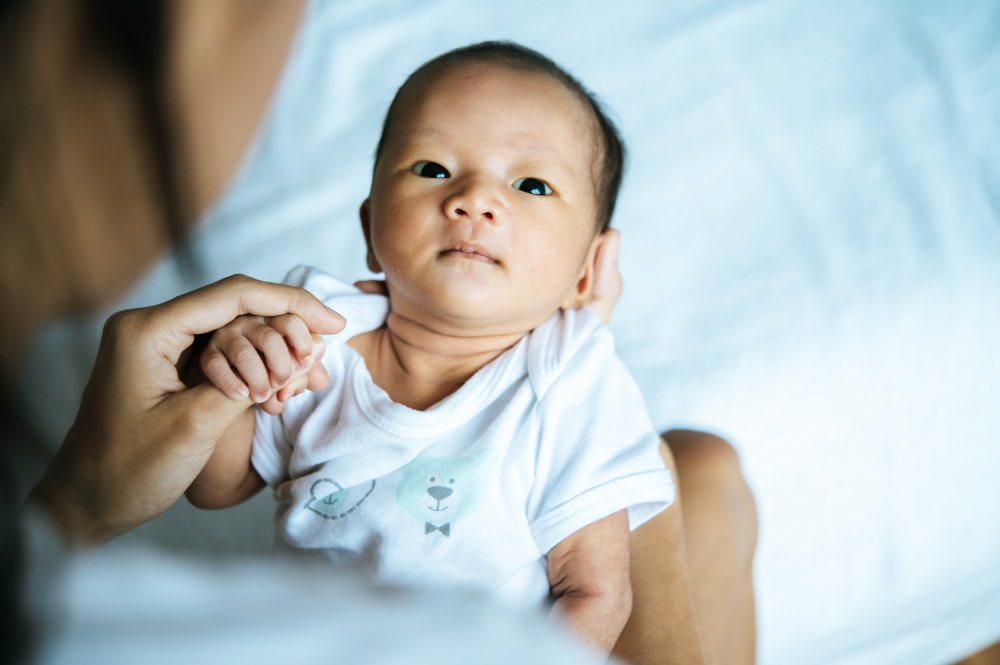
What Is Newborn Fever?
Newborn fever is when a baby younger than 2 months has a body temperature of 100.4°F (38°C) or higher. Even a small rise in temperature can signal a serious infection in newborns. Because their immune systems are not fully developed, newborns cannot fight germs as well as older children or adults. For this reason, any fever in a newborn is treated as an emergency by doctors.
Common Symptoms of Newborn Fever
Sometimes, fever is the only sign that something is wrong. However, newborns may show other symptoms along with a fever. For example, you might notice:
Because signs of fever in newborns can be subtle, it is important to watch for any changes in your baby’s behavior. If you notice any of these symptoms, you should check your baby’s temperature right away.
Causes of Fever in Newborns
Newborn fever can have many causes. Most often, it is due to an infection. For instance, common causes include:
However, infections are the most serious concern. According to the Centers for Disease Control and Prevention (CDC), newborns are at higher risk for serious infections like sepsis and meningitis. Because these illnesses can progress quickly, newborn fever emergencies must be taken seriously.
How Is Newborn Fever Diagnosed?
When a newborn has a fever, doctors will act quickly. First, they will ask about your baby’s symptoms and medical history. Next, they will check your baby’s temperature using a rectal thermometer, as this method is most accurate for newborns. In addition, doctors may order tests, such as:
Because newborns can get sick quickly, these tests help doctors find the cause and start treatment as soon as possible.
Why Immediate Medical Attention Is Critical
Newborn fever is always a reason to seek help right away. Even a mild fever can be a sign of a serious illness in babies under 2 months. For example, newborns can develop sepsis, a life-threatening infection, much faster than older children. According to the World Health Organization (WHO), early treatment can save lives. Therefore, if your newborn has a fever, you should call your doctor or go to the emergency room without delay. Quick action can help prevent complications and improve your baby’s outcome.
Treatment Options for Newborn Fever
Treatment depends on the cause of the fever. Usually, newborns with a fever are admitted to the hospital for close monitoring. For instance, doctors may:
Because newborn fever emergencies can worsen quickly, doctors will not wait for test results before starting treatment. This approach helps protect your baby’s health.
Prevention Tips for Parents and Caregivers
While not all fevers can be prevented, there are steps you can take to lower your baby’s risk. For example:
Because newborns are so vulnerable, these simple steps can help protect them from infections. If you ever notice signs of fever in newborns, consult at Dev children and skin clinic