
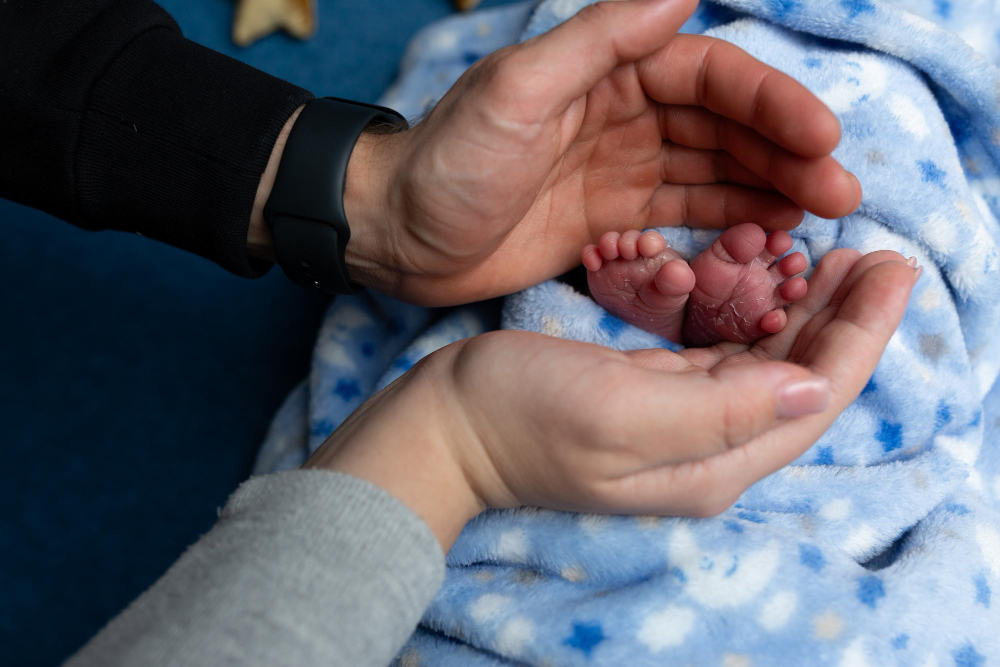
Introduction: Understanding Premature Birth and Its Challenges
Premature birth happens when a baby is born before 37 weeks of pregnancy. Because of this early arrival, premature babies, or preemies, often need special care. In fact, premature baby care after birth can feel overwhelming for new parents. However, with the right support and information, you can help your baby grow strong and healthy. This guide will explain how to care for a preemie at home, address common concerns, and offer practical tips for families.
Common Health Concerns in Premature Babies
Premature babies face unique health challenges. Since their organs are still developing, they may need extra attention. For example, preemies often have:
Because of these issues, it is important to follow premature infant health tips and stay in touch with your healthcare team. The World Health Organization (WHO) and Centers for Disease Control and Prevention (CDC) offer helpful resources for parents.
Essential Home Care Tips for Preemies
Once your baby comes home, you may wonder how to care for a preemie at home. Here are some key tips:
Feeding
Hygiene
Warmth
Sleep
By following these premature infant health tips, you can help your baby stay safe and comfortable at home.
Monitoring Growth and Development
It is important to track your baby’s growth and milestones. Although preemies may develop at a different pace, regular check-ups help spot any concerns early. For example, your doctor will check:
Additionally, keep a record of your baby’s progress. This helps you and your healthcare team see improvements or spot problems quickly. If you have questions, do not hesitate to ask your doctor.
Warning Signs and When to Seek Medical Help
Even with careful home care, problems can arise. Therefore, watch for these warning signs:
If you notice any of these signs, seek medical help right away. Early action can prevent serious problems.
Emotional Support for Parents and Families
Caring for a premature baby can be stressful. However, you are not alone. Many parents feel worried or overwhelmed at first. To cope, try these steps:
Remember, emotional support is just as important as physical care. Sharing your feelings can help you stay strong for your baby.
Prevention and Follow-Up Care
After your baby comes home, regular follow-up visits are key. These check-ups help track your baby’s health and catch any issues early. In addition, your doctor may suggest vaccines or special treatments to protect your baby. To prevent illness, keep your baby away from sick people and wash hands often. If you plan to have more children, talk to your doctor about ways to lower the risk of premature birth in the future.
In summary, caring for a premature baby after birth takes patience and support. With the right steps, you can help your preemie thrive. Consult a pediatrician at Dev children and skin clinic for personalized guidance on caring for your premature baby.