Introduction
Wart removal is a common concern for many people. Warts can appear on the skin at any age. Although most warts are harmless, they can be bothersome or embarrassing. In this blog, you will learn about warts, their symptoms, causes, diagnosis, and the best wart removal methods. We will also share tips on prevention and when to see a dermatologist for expert advice.
What Are Warts?
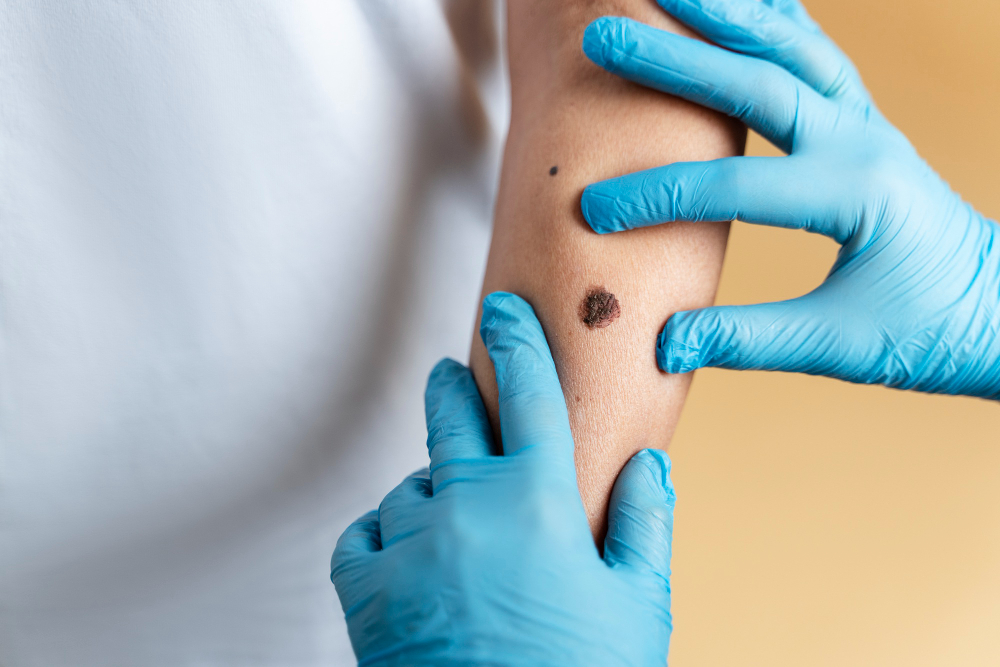
Warts are small, rough growths that appear on the skin. They are caused by a virus called human papillomavirus (HPV). While warts are not dangerous, they can spread easily from person to person. Some warts may go away on their own, but others may need treatment. For this reason, many people look for safe wart removal options.
Symptoms of Warts
Warts can look different depending on their type and location. However, most warts share some common signs. For example, you may notice:
Sometimes, warts can itch or bleed. If you see these symptoms, you may want to learn how to remove warts safely.
Causes of Warts
Warts are caused by the human papillomavirus (HPV). This virus enters the skin through tiny cuts or breaks. Because the virus is contagious, warts can spread by direct contact. For instance, touching a wart or sharing towels can pass the virus. Children and people with weak immune systems are more likely to get warts. Even so, anyone can develop warts at any time.
Diagnosis of Warts
Doctors usually diagnose warts by looking at the skin. In most cases, no special tests are needed. However, sometimes a doctor may scrape the surface or remove a small piece for testing. This helps rule out other skin problems. If you are unsure about a skin growth, it is best to ask a dermatologist. Early diagnosis can help you choose the right wart treatment options.
Wart Removal Methods
There are many ways to remove warts. Some people try home remedies, while others prefer medical treatments. Below are common wart removal methods:
Medical Wart Removal Options
Safe Wart Removal at Home
However, not all home remedies are safe or effective. For example, avoid cutting or burning warts at home. This can cause infection or scarring. If you have diabetes or poor blood flow, always talk to a doctor before trying home treatments. The CDC and dermatology experts recommend medical advice for safe wart removal.
Prevention Tips
Although warts are common, you can lower your risk. Try these simple tips:
By following these steps, you can help prevent warts from spreading.
When to See a Dermatologist
Sometimes, warts do not go away with home care. In these cases, it is wise to see a dermatologist. You should seek medical help if:
Dermatologists can offer advanced wart treatment options and help prevent problems.
Conclusion
Wart removal is safe and effective when done correctly. While many warts are harmless, some need medical care. If you have concerns about warts or want to know how to remove warts safely, consult a dermatologist at Dev children and skin clinic for personalized wart removal advice.