What is Dandruff?
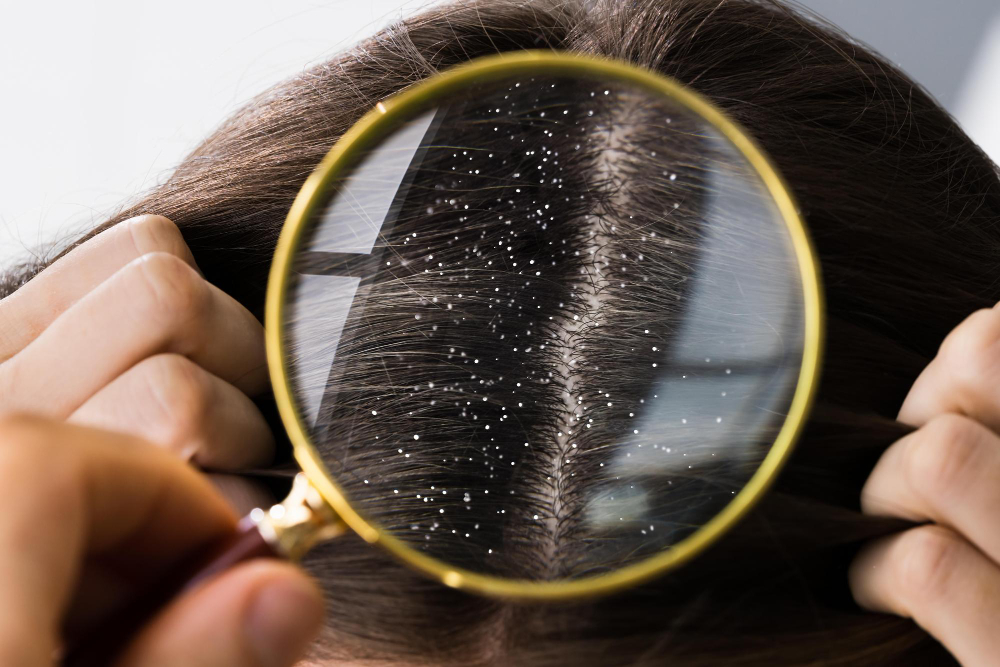
Dandruff is a common scalp condition. It causes white or yellow flakes to appear on your scalp and hair. Often, these flakes fall onto your shoulders. While dandruff is not dangerous, it can be bothersome. Many people want to know how to get rid of dandruff quickly. Thankfully, there are simple ways to manage it at home.
Common Symptoms of Dandruff
Usually, dandruff is easy to spot. However, symptoms can vary from person to person. For example, some people may notice more flakes than others. Here are the most common signs:
Although these symptoms are common, they can also be caused by other scalp problems. Therefore, it is important to watch for changes.
Causes and Risk Factors
Many factors can lead to dandruff. For instance, dry skin is a common cause. However, oily skin can also play a role. The main causes include:
In addition, some people are more likely to get dandruff. For example, men and young adults often have it more. People with certain skin conditions, like eczema or psoriasis, are also at higher risk (CDC, American Academy of Dermatology).
How Dandruff is Diagnosed
Usually, doctors diagnose dandruff by looking at your scalp. They may ask about your symptoms and hair care routine. In most cases, no special tests are needed. However, if your scalp is very red or swollen, your doctor may check for other skin conditions. Sometimes, they may take a small sample of skin to rule out infections.
Effective Treatments for Dandruff
There are many ways to treat dandruff. Most people can control it with over-the-counter products. For example, medicated shampoos are very helpful. Here are some common treatments:
Additionally, you should follow the instructions on the shampoo bottle. If one type does not work, try another. Sometimes, you may need to use more than one product. For severe cases, a dermatologist can suggest stronger treatments (American Academy of Dermatology).
Lifestyle Tips and Prevention
While dandruff can return, you can take steps to prevent it. For instance, good scalp care makes a big difference. Try these tips:
Because everyone’s scalp is different, you may need to try a few methods to see what works best.
When to See a Dermatologist
Most cases of dandruff can be managed at home. However, sometimes you should see a dermatologist. For example, if your scalp is very red, swollen, or painful, get medical advice. Also, if over-the-counter shampoos do not help after a few weeks, a doctor can suggest other treatments. Early care can prevent symptoms from getting worse.
In summary, dandruff is common and treatable. With the right care, you can keep your scalp healthy. Consult a dermatologist at Dev children and skin clinic for personalized advice on managing dandruff.