What is a Sore Throat in Children?
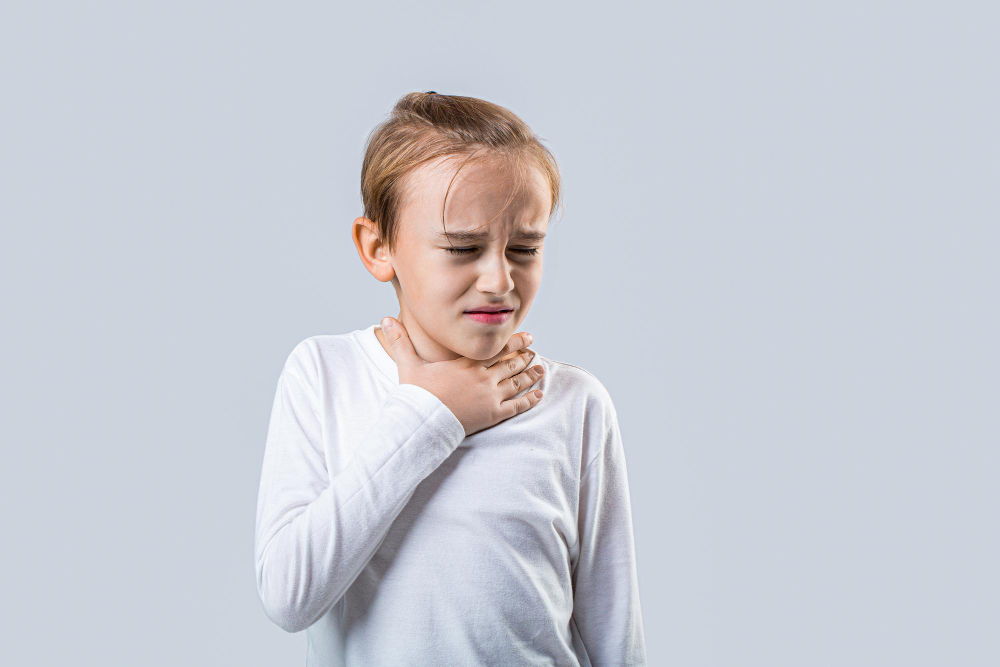
A child’s sore throat is a common problem. It means your child feels pain, scratchiness, or irritation in the throat. Often, this pain gets worse when swallowing. Many children get sore throats, especially during cold and flu season. While most cases are mild, some need medical care. Knowing the signs and causes helps you care for your child better.
Common Symptoms
Children may show different signs when they have a sore throat. However, some symptoms are very common. Early recognition can help you decide what to do next. Look for these signs:
Sometimes, children may also complain of a headache or stomach pain. If your child is too young to talk, you may notice fussiness or less interest in eating.
Main Causes
There are several reasons why a child may get a sore throat. Understanding the cause helps you choose the right treatment. Here are the main causes:
According to the CDC, viruses are the most common cause of sore throat in children. Bacterial infections are less common but may be more serious.
How Sore Throat is Diagnosed
Doctors use several steps to diagnose a sore throat in kids. First, they ask about your child’s symptoms. Next, they check the throat, ears, and neck. Sometimes, they use a swab to test for strep throat. This quick test helps find out if bacteria are the cause. If the test is positive, your child may need antibiotics. Otherwise, most sore throats are viral and do not need antibiotics.
Treatment Options
Treating a child’s sore throat depends on the cause. For most viral infections, home care is enough. However, some cases need medicine or a doctor’s visit. Here are common treatment options:
Home Care Remedies
Many parents search for child sore throat remedies. Simple home care often helps children feel better quickly.
When to See a Doctor
Doctors may prescribe antibiotics if your child has strep throat. However, antibiotics do not help viral infections. Always follow your doctor’s advice on how to treat sore throat in children.
Prevention Tips for Parents
Preventing a sore throat in kids is possible with a few simple steps. Here are some tips:
According to the World Health Organization (WHO), good hygiene is key to stopping the spread of infections.
When to Seek Medical Help
Sometimes, a child’s sore throat can be a sign of a more serious problem. Seek medical help right away if your child:
Early care can prevent complications. Always trust your instincts as a parent.
Conclusion
In summary, a child’s sore throat is common and often mild. Most cases get better with home care. However, some need a doctor’s help. If your child has a persistent sore throat, consult an ENT specialist at Dev Children and Skin Clinic for personalized advice.