
Introduction
Aging and wrinkles are natural parts of life. As we grow older, our skin changes. These changes often lead to fine lines and wrinkles. Many people want to know why aging and wrinkles happen. Others look for ways to slow them down. In this blog, you will learn about the causes, symptoms, diagnosis, and prevention of aging and wrinkles. You will also find helpful anti-aging tips and wrinkle prevention advice.
Causes of Aging and Wrinkles
There are many reasons why skin ages and wrinkles form. Some causes are natural, while others come from our environment or habits. For example, as we age, our skin loses collagen and elastin. These are proteins that keep skin firm and smooth. Without them, skin becomes thinner and less stretchy. In addition, sun exposure is a major cause of wrinkles. Ultraviolet (UV) rays break down skin fibers over time. Smoking, pollution, and stress can also speed up skin aging. Even repeated facial expressions, like smiling or frowning, can lead to lines.
Common Symptoms
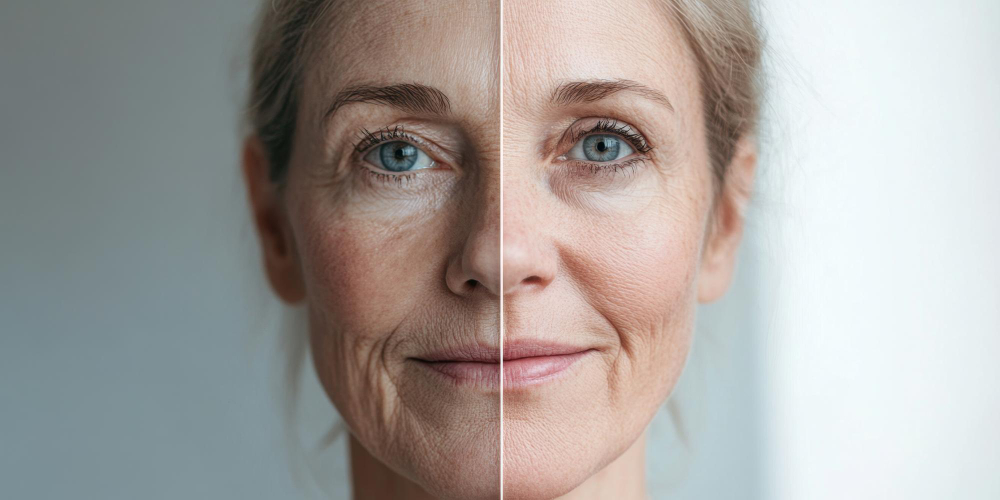
Wrinkles and signs of aging can appear in many ways. Usually, the first signs are fine lines around the eyes and mouth. Over time, these lines may deepen. In some cases, skin may feel dry or rough. You might also notice sagging or loose skin, especially on the face, neck, and hands. Sometimes, age spots or uneven skin tone develop. However, everyone’s skin ages differently.
Diagnosis Methods
Doctors and dermatologists can diagnose aging and wrinkles by looking at your skin. Usually, no special tests are needed. However, a skin exam helps check for other problems, like sun damage or skin cancer. Sometimes, doctors may use special lights or tools to see skin changes better. If you have concerns, it is important to share them with your doctor. Early diagnosis can help you find the best treatment for your skin.
Treatment Options
There are many ways to treat aging and wrinkles. Some treatments are simple and can be done at home. Others need a dermatologist’s help. For example, moisturizers and sunscreen can protect and hydrate your skin. Prescription creams with retinoids may help reduce fine lines. In addition, some people choose medical treatments, such as:
However, not all treatments work for everyone. It is best to talk to a dermatologist before starting any new treatment. According to the American Academy of Dermatology, sun protection and healthy habits are key for wrinkle prevention.
Lifestyle and Prevention Tips
While you cannot stop aging, you can slow down wrinkles. Simple changes in your daily routine can make a big difference. For example, wearing sunscreen every day protects your skin from UV rays. Eating a balanced diet helps your skin stay healthy. In addition, drinking plenty of water keeps your skin hydrated. Here are more tips for wrinkle prevention:
When to See a Dermatologist
Sometimes, home care is not enough. If you notice sudden changes in your skin, see a dermatologist. For example, if you have deep wrinkles, new spots, or skin that does not heal, get checked. Also, if over-the-counter products do not help, a doctor can suggest stronger treatments. Early care can prevent more serious skin problems.
Conclusion
Aging and wrinkles are normal, but you can take steps to care for your skin. With the right habits and treatments, you can keep your skin looking healthy. For the best results, consult a dermatologist at Dev Children and Skin Clinic for personalized advice.