What is Mumps in Children?
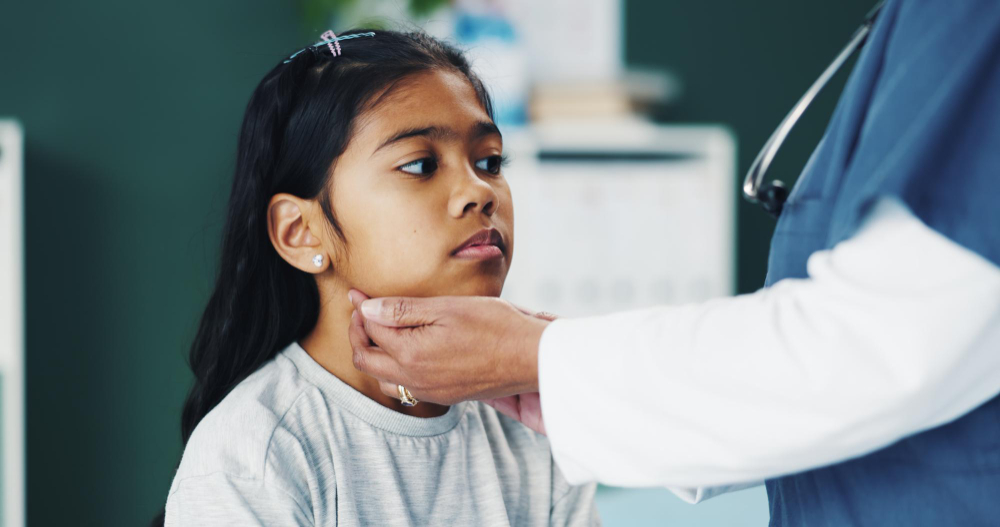
Mumps in children is a viral infection that mainly affects the salivary glands. These glands are located near the ears. Because of this, children with mumps often have swollen cheeks or a puffy jaw. Mumps spreads easily from person to person. Although most cases are mild, some children can develop complications. Early detection and care can help prevent problems.
Common Symptoms
At first, mumps symptoms in children may seem like a cold or flu. However, some signs are unique to mumps. Watch for these symptoms:
Sometimes, children may have no symptoms at all. But even without symptoms, they can still spread the virus. Therefore, it is important to watch for any signs, especially if there is an outbreak nearby.
Causes and How Mumps Spreads
Mumps is caused by the mumps virus. This virus spreads through saliva or mucus. For example, when an infected child coughs, sneezes, or shares cups, the virus can pass to others. Because children often play closely together, mumps can spread quickly in schools or playgrounds. In addition, the virus can live on surfaces for a short time. Touching these surfaces and then touching the mouth or nose can also cause infection.
Diagnosis Methods
Doctors diagnose mumps in children by looking at symptoms and medical history. However, because other illnesses can look similar, tests may be needed. Common diagnosis methods include:
Early diagnosis helps prevent the spread of mumps. If you suspect your child has mumps, contact your doctor right away.
Treatment Options
There is no specific mumps treatment for children. However, most children recover fully with home care. Doctors may suggest:
Importantly, avoid giving aspirin to children, as it can cause serious side effects. If your child has trouble breathing, severe pain, or other unusual symptoms, seek medical help right away.
Prevention Strategies
The best way to prevent mumps in kids is through vaccination. The MMR vaccine protects against mumps, measles, and rubella. Children usually get two doses:
Besides vaccination, you can help prevent mumps by:
According to the CDC and WHO, vaccination is safe and effective for most children. However, talk to your doctor if you have concerns about vaccines.
Lifestyle Tips for Recovery
While your child recovers from mumps, some simple steps can help them feel better. For example:
With good care, most children recover from mumps in about one to two weeks. However, always watch for signs of complications, such as severe headache, stiff neck, or trouble hearing.
Conclusion
Mumps in children can be uncomfortable, but most cases are mild. Because the virus spreads easily, prevention is key. Vaccination and good hygiene help protect your child and others. If you notice symptoms or have questions about mumps treatment for children, consult a pediatrician at Dev children and skin clinic for personalized advice on mumps in children.